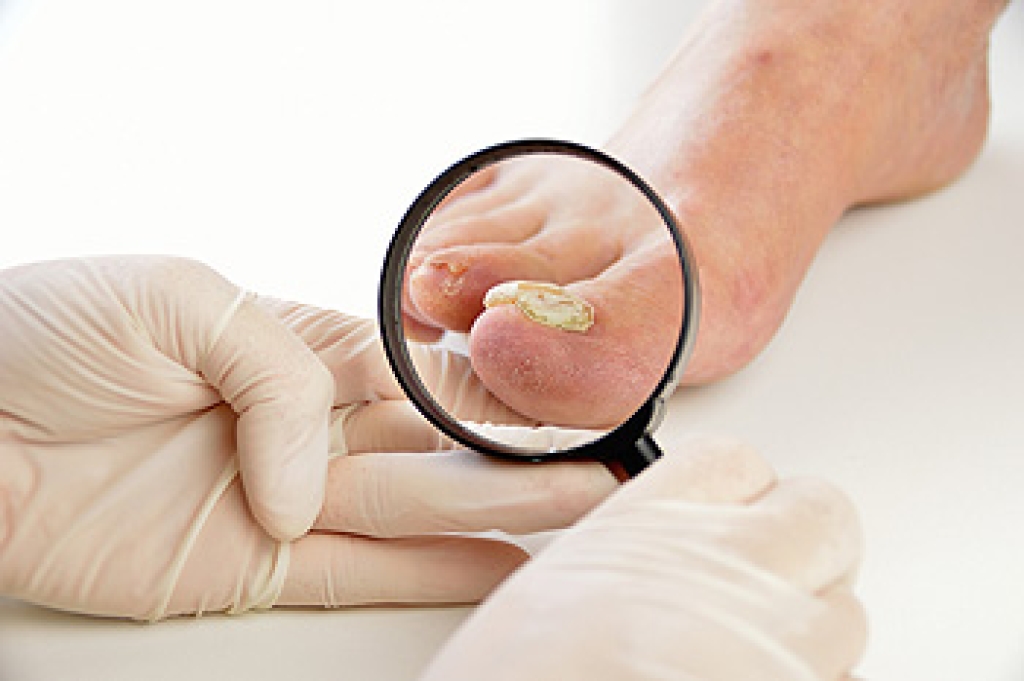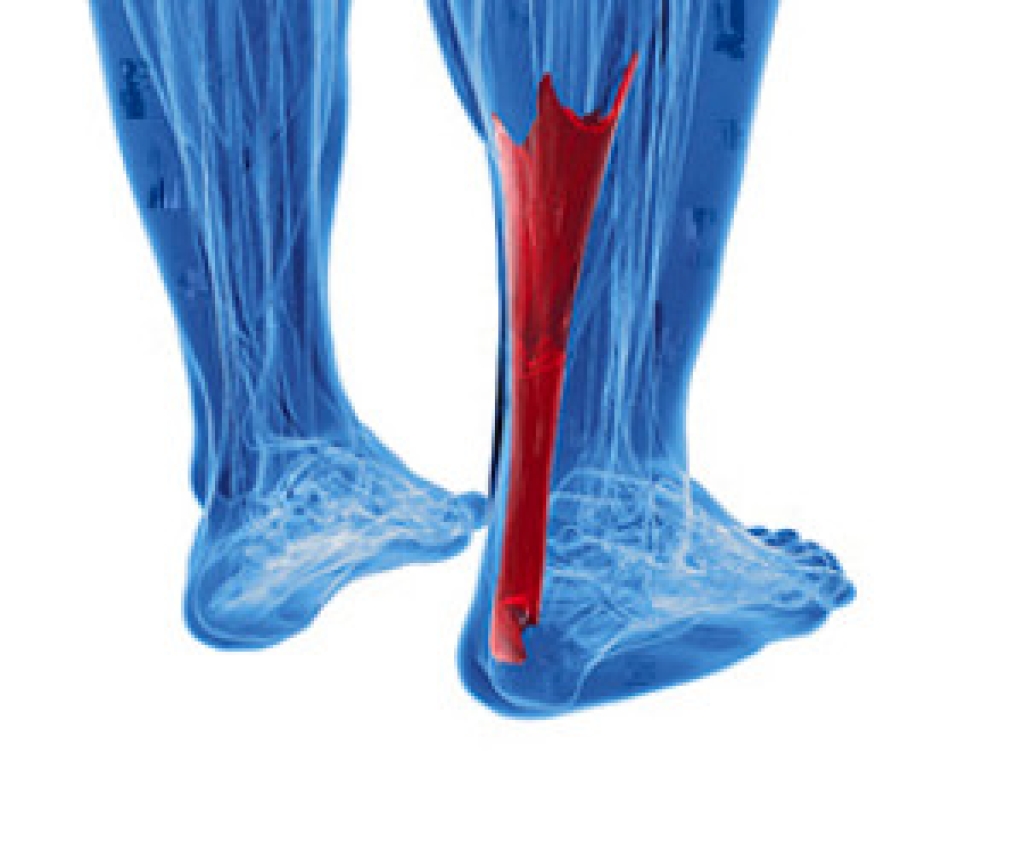
Our office is currently OPEN and accepting new patients. We’re ready to treat the podiatric concerns of our community. Call today, and book an appointment! Click here for an important statement on the Coronavirus (COVID-19)

What Is Sever’s Disease?

Children who are growing and physically active can put excessive wear on the growth plate of their heel bone, which attaches to the Achilles tendon. Repetitive pulling on the growth plate causes inflammation and pain in the heel and is known as Sever’s disease. Although this condition is painful and can reoccur, it is not dangerous, and should go away once the growth plate closes and your child stops growing. There are several things you can do at home to help reduce the pain of Sever’s disease. Have your child stretch their calf muscles several times a day and make sure your child sits out activities rather than playing through the pain. You can also ice the area, give your child over-the-counter painkillers, and have them wear supportive shoes. If pain persists, severe swelling occurs, or your child develops a fever, contact a podiatrist right away. The podiatrist will first rule out a heel fracture, and then may suggest custom orthotics and specific stretching exercises to heal the pain and avoid permanent damage.

Sever's disease often occurs in children and teens. If your child is experiencing foot or ankle pain, see David J. Borcicky, DPM from Alabama. Our doctor can treat your child’s foot and ankle needs.

Sever’s Disease

Sever’s disease is also known as calcaneal apophysitis, which is a medical condition that causes heel pain I none or both feet. The disease is known to affect children between the ages of 8 and 14.

Sever’s disease occurs when part of the child’s heel known as the growth plate (calcaneal epiphysis) is attached to the Achilles tendon. This area can suffer injury when the muscles and tendons of the growing foot do not keep pace with bone growth. Therefore, the constant pain which one experiences at the back of the heel will make the child unable to put any weight on the heel. The child is then forced to walk on their toes.

Symptoms

Acute pain – Pain associated with Sever’s disease is usually felt in the heel when the child engages in physical activity such as walking, jumping and or running.

Highly active – Children who are very active are among the most susceptible in experiencing Sever’s disease, because of the stress and tension placed on their feet.

If you have any questions, please feel free to contact our office located in Mobile, AL . We offer the newest diagnostic and treatment technologies for all your foot care needs.

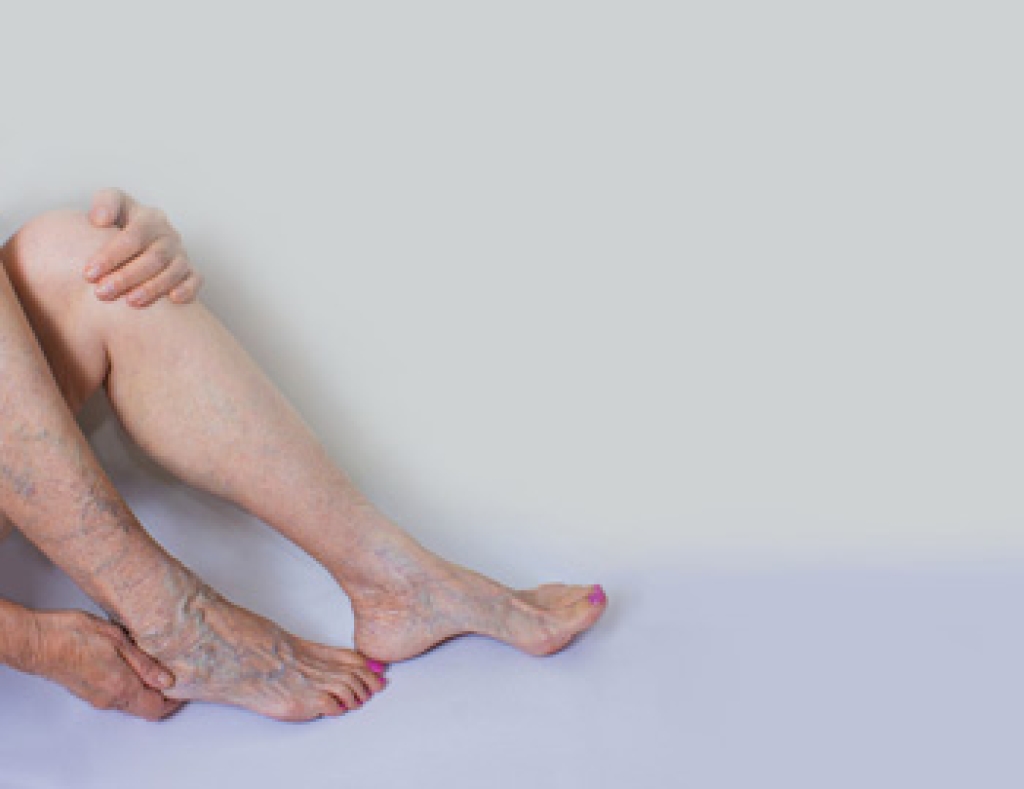
Read more about Sever's Disease

Keeping Senior Feet Healthy

Throughout our lives, our feet support and carry the weight of our entire bodies. Therefore, it is no surprise that we may experience foot pain, or that foot problems can become increasingly more common as we age. Senior feet require special attention, as the feet are affected by years of wear and tear, and seniors are at an increased risk of developing other health conditions, such as diabetes or arthritis, which can affect the health of the feet. Seniors should regularly check their feet for any changes or abnormalities, including any cuts, scrapes, sores, or discoloration. If an irregularity is noticed, seeing a podiatrist as soon as possible is strongly suggested. A podiatrist can diagnose and treat the issue before it worsens and provide recommendations on how to avoid foot problems in the future. 

Proper foot care is something many older adults forget to consider. If you have any concerns about your feet and ankles, contact David J. Borcicky, DPM from Alabama. Our doctor can provide the care you need to keep you pain-free and on your feet.

The Elderly and Their Feet

As we age we start to notice many changes in our body, but the elder population may not notice them right away. Medical conditions may prevent the elderly to take notice of their foot health right away. Poor vision is a lead contributor to not taking action for the elderly.

Common Conditions 

  • Neuropathy – can reduce feeling in the feet and can hide many life-threatening medical conditions.
  • Reduced flexibility – prevents the ability of proper toenail trimming, and foot cleaning. If left untreated, it may lead to further medical issues.
  • Foot sores – amongst the older population can be serious before they are discovered. Some of the problematic conditions they may face are:
  • Gouging toenails affecting nearby toe
  • Shoes that don’t fit properly
  • Pressure sores
  • Loss of circulation in legs & feet
  • Edema & swelling of feet and ankles

Susceptible Infections

Diabetes and poor circulation can cause general loss of sensitivity over the years, turning a simple cut into a serious issue.

If you have any questions, please feel free to contact our office located in Mobile, AL . We offer the newest diagnostic and treatment technologies for all your foot care needs.
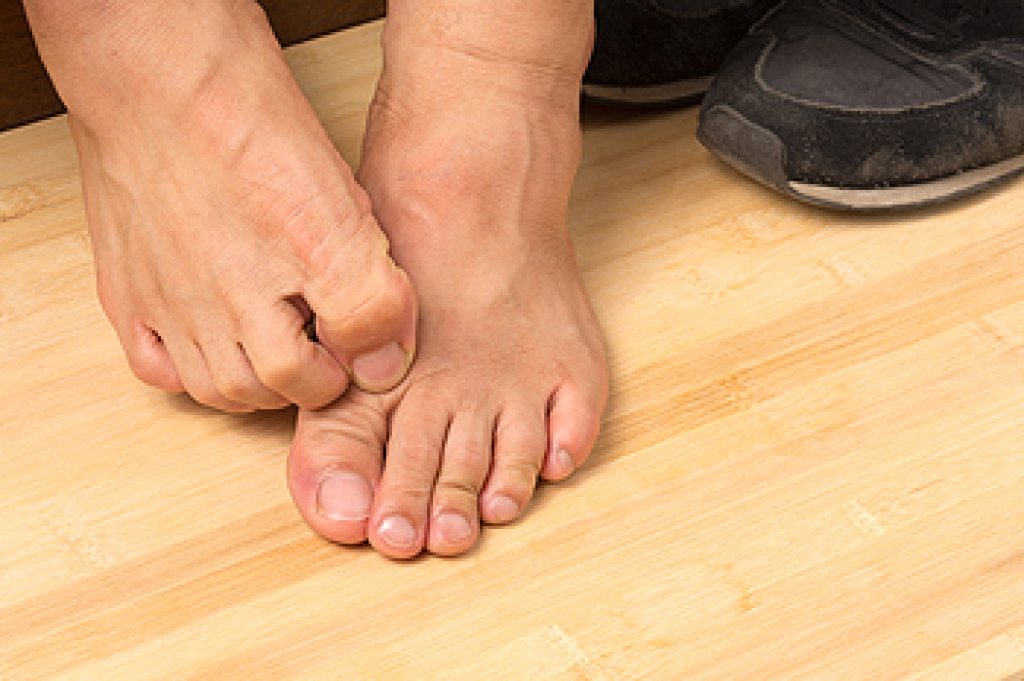
Read more about Elderly and their Feet

How Ringworm Can Lead to Athlete's Foot

Despite what its name may suggest, ringworm is actually a type of fungal infection. It can cause various skin problems throughout the body. On the skin of the feet, ringworm can be responsible for athlete’s foot. The symptoms of athlete’s foot include an itchy, burning rash between the toes and on the soles of the feet, scaly, cracked, or blistered skin, and possible foot odor. Athlete’s foot and other types of ringworm infections are highly contagious, and can be contracted from direct contact with contaminated surfaces, such as locker room floors, or from sharing personal items like shoes or towels with an infected person. If you have athlete’s foot, it is suggested that you seek the care of a podiatrist, who can prescribe the right treatment for you. 

Athlete’s foot is an inconvenient condition that can be easily reduced with the proper treatment. If you have any concerns about your feet and ankles, contact David J. Borcicky, DPM from Alabama.  Our doctor will treat your foot and ankle needs.

Athlete’s Foot: The Sole Story

Athlete's foot, also known as tinea pedis, can be an extremely contagious foot infection. It is commonly contracted in public changing areas and bathrooms, dormitory style living quarters, around locker rooms and public swimming pools, or anywhere your feet often come into contact with other people.

Solutions to Combat Athlete’s Foot

  • Hydrate your feet by using lotion
  • Exfoliate
  • Buff off nails
  • Use of anti-fungal products
  • Examine your feet and visit your doctor if any suspicious blisters or cuts develop

Athlete’s foot can cause many irritating symptoms such as dry and flaking skin, itching, and redness. Some more severe symptoms can include bleeding and cracked skin, intense itching and burning, and even pain when walking. In the worst cases, Athlete’s foot can cause blistering as well. Speak to your podiatrist for a better understanding of the different causes of Athlete’s foot, as well as help in determining which treatment options are best for you.

If you have any questions please feel free to contact our office located in Mobile, AL . We offer the newest diagnostic and treatment technologies for all your foot and ankle needs.

Read more about Athlete's Foot

Treatments for Toenail Fungus

Fungal toenail infections are common, affecting 10% of the population. Typical symptoms of a fungal nail infection include the nail becoming thick, crumbly, discolored, and distorted in shape. Treatment for fungal nail infections can be a slow process, as the nails are made of keratin, which does not have its own blood supply and is impermeable to many substances. Some of the possible treatments include oral antifungal medications, topical medications that are applied directly to the nail, and laser therapy. Sometimes, a combination of treatments will be prescribed to get rid of the infection. The treatment that is recommended will also depend on the type and severity of the fungal nail infection. For more information about treating toenail fungus, please consult with a podiatrist.

If left untreated, toenail fungus may spread to other toenails, skin, or even fingernails. If you suspect you have toenail fungus it is important to seek treatment right away. For more information about treatment, contact David J. Borcicky, DPM of Alabama. Our doctor can provide the care you need to keep you pain-free and on your feet.

Symptoms

  • Warped or oddly shaped nails
  • Yellowish nails
  • Loose/separated nail
  • Buildup of bits and pieces of nail fragments under the nail
  • Brittle, broken, thickened nail

Treatment

If self-care strategies and over-the-counter medications does not help your fungus, your podiatrist may give you a prescription drug instead. Even if you find relief from your toenail fungus symptoms, you may experience a repeat infection in the future.

Prevention

In order to prevent getting toenail fungus in the future, you should always make sure to wash your feet with soap and water. After washing, it is important to dry your feet thoroughly especially in between the toes. When trimming your toenails, be sure to trim straight across instead of in a rounded shape. It is crucial not to cover up discolored nails with nail polish because that will prevent your nail from being able to “breathe”.

In some cases, surgical procedure may be needed to remove the toenail fungus. Consult with your podiatrist about the best treatment options for your case of toenail fungus.  

If you have any questions please contact our office located in Mobile, AL . We offer the newest diagnostic and treatment technologies for all your foot and ankle needs.

Read more about Treating Toenail Fungus

Connect With Us